Lawn Dethatching — Manitowoc, WI
Your Lawn Isn’t Suffocating Because of the Weather
The Only Lawn Dethatching in Manitowoc That Removes the Layer Killing Your Grass
Most lawn dethatching services in Manitowoc treat dethatching like a brute-force job: throw a power rake at it, tear up everything, and hope the lawn recovers. We measure the thatch first, choose the right method for the depth, and time the work to the right window. That’s the difference between a dethatching that fixes your lawn and one that flattens it.
“Insert real Google review from a dethatching client here.”
— Client Name, Manitowoc · Google Review
- Ranked #1 in Manitowoc
- We measure thatch depth first
- Wisconsin spring & fall timing expertise
- Locally owned and operated
- Full thatch removal and haul-away included
Put in your numbers & I’ll email you the quote
Enter your lawn size for an instant estimate — then drop your details and we’ll send it to your inbox.
Got it! Jeremy will email you shortly. Urgent? Call (920) 286-2031.
Note: Estimates are upwards of 95% accurate.
What Is Lawn Dethatching?
Lawn Dethatching in Manitowoc, Done the Right Way
Lawn dethatching is the process of removing the dense layer of dead grass stems, roots, and organic debris (called “thatch”) that builds up between the soil surface and the green grass blades. When this layer exceeds about half an inch, it blocks water, oxygen, fertilizer, and seed from reaching the soil, effectively suffocating the lawn from above. Dethatching is typically performed in spring or early fall using a power rake or verticutting machine. In Manitowoc, lawns with high Kentucky bluegrass content are especially prone to thatch buildup.
Here’s the part most homeowners don’t realize: a thin thatch layer (under half an inch) is actually good for the lawn. It insulates the soil, retains moisture, and protects the roots. The problem starts when that layer exceeds half an inch — it stops decomposing fast enough to keep up with what’s being added, and it becomes a barrier instead of a buffer. That’s when dethatching is needed.
The Problem
How do you know if your lawn actually needs dethatching?
Most lawns don’t need dethatching every year, but the ones that need it usually need it badly by the time anyone notices. The signs are subtle at first, then unmistakable:
- Lawn feels spongy or bouncy underfoot
- Water beads up or runs off instead of soaking in
- Fertilizer seems to do nothing
- Grass color is fading
- Thick brown layer when you part the grass with your fingers
- Bare patches appearing
- Disease patches returning every year
- Insects hiding in the thatch layer
That’s not bad luck. It’s a thatch problem. And no amount of watering, fertilizing, seeding, or weed control fixes it — because nothing you put on top can get through the thatch layer to reach the soil. Until the thatch is removed, every dollar you spend on the lawn is mostly bouncing off the barrier on top of it.
Get a Free Thatch Check →Why Quotes Vary
Why do lawn dethatching quotes in Manitowoc range from $150 to $700?
If you’ve called around for lawn dethatching, you’ve probably seen a wide spread: $150 on one quote, $700 on another, for what sounds like the same service. The difference comes down to three things most companies don’t explain.
- Method matters. A cheap power rake pass with no thatch measurement, no haul-away, and no aftercare is genuinely $150 work — because it usually doesn’t fix the actual problem.
- Cleanup is most of the work. Power raking pulls up massive amounts of thatch — a typical residential lawn produces 10–40 contractor bags of debris. Always confirm haul-away is included.
- Aggressiveness should match thatch depth. Power raking a lawn with only minor thatch destroys healthy turf. Hand-raking a lawn with 1.5 inches of thatch does nothing. That’s why we measure first.
The Real Problem
What if everything you’re putting on the lawn is bouncing off a layer you can’t see?
Thatch is the layer of dead grass stems, crowns, and roots that builds up between the green grass and the soil. A small amount is good — under half an inch acts like insulation. The problem starts when grass is producing dead material faster than soil microbes can break it down. The layer thickens. It gets denser. It stops being a buffer and becomes a barrier.
Water Problem
- Hits thatch and runs sideways
- Lawn drought-stressed even when watered
- Pooling on the surface
Fertilizer Problem
- Sits on top of thatch
- Washed off before reaching roots
- Spend without result
Root Problem
- Roots grow inside thatch, not soil
- Shallow root system
- First hot week wipes the lawn out
That’s what most “lawn problems” actually are in Manitowoc. Not bad seed. Not bad weather. A thatch layer most homeowners don’t know is there.See how it works →
The Fix
Here’s what proper lawn dethatching in Manitowoc actually involves
Four things have to be right for dethatching to fix the lawn instead of damage it.
Right Measurement First
Before any equipment touches the lawn, thatch depth is measured at multiple points. Under half an inch: no dethatching needed. Half to one inch: verticutting. Over an inch: power raking, sometimes staged across two seasons.
Right Method for the Depth
Power rakes use spinning flail blades that aggressively tear thatch — needed for severe buildup, damaging on minor thatch. Verticutters use vertical blades with controlled depth, ideal for most Manitowoc lawns. Hand raking handles only the lightest cases.
Right Timing
In Manitowoc, dethatching happens in early spring (mid-April to early May) or early fall (late August through mid-September). Outside these windows the lawn doesn’t have time to recover and dethatching becomes destructive.
Recovery Plan Attached
Dethatching is intentionally disruptive. Without overseeding + watering + fertilizer immediately after, you’ve created bare patches without filling them. Proper dethatching includes the recovery, not just the removal.
The Method
Our 5-Step Lawn Dethatching Process in Manitowoc
So what actually happens when we dethatch your lawn?
On-Site Thatch Measurement
Before any equipment, we measure thatch depth at multiple points across the lawn using a soil probe. We confirm whether dethatching is actually needed — sometimes it isn’t — and recommend the right method based on what we find. If your thatch is under half an inch, we’ll tell you to wait and save the money.
Method Selection (Power Raking vs. Verticutting)
For most Manitowoc lawns with 0.5–1 inch of thatch, we use a verticutter: controlled depth, less stress on the lawn, faster recovery. For severe buildup over an inch, we use a power rake — sometimes across two staged passes a few weeks apart to avoid stripping the lawn. We choose based on what your lawn actually needs.
Thatch Removal & Haul-Away
We make systematic passes across the entire lawn, including edges and corners. The removed thatch is raked into piles, bagged, and hauled away — we don’t leave 30 contractor bags on your driveway. The lawn looks rough for a few days; that’s expected and normal.
Overseeding (Highly Recommended)
Dethatching opens up the soil surface and creates the ideal seedbed. We strongly recommend overseeding immediately after — our cool-season blend (Kentucky bluegrass, perennial ryegrass, fine fescue) drops directly onto exposed soil and germinates at a much higher rate than broadcast seeding on intact turf. This is what turns dethatching from “damage” into “renewal.”
Recovery Plan & Follow-Up
You get a printed watering schedule, mowing guidance for the recovery window, and a fertilizer recommendation for 4 weeks out. We’re available for follow-up questions while the lawn recovers. Most lawns look fully recovered within 2–6 weeks depending on method and season.
Methods Compared
Power Raking vs. Verticutting vs. Hand Raking: Which Method Do You Need?
“Lawn dethatching” doesn’t mean one method — there are three completely different approaches, each suited to a different thatch depth.
| Factor | Power Raking | Verticutting | Hand Raking |
|---|---|---|---|
| How It Works | Spinning flail blades rip thatch from surface | Vertical blades cut into thatch at controlled depth | Manual raking with a thatch rake |
| Aggressiveness | High — can damage healthy turf | Moderate — controlled depth | Very low — surface only |
| Best Thatch Depth | Over 1 inch (severe) | 0.5–1 inch (most common) | Under 0.5 inch (minor) |
| Recovery Time | 4–6 weeks | 2–4 weeks | 1 week |
| Typical Cost (Manitowoc) | $300–$700 | $250–$600 | DIY only |
| Best Pairing | Heavy overseeding | Aeration + overseeding | Light overseeding |
Quick rule of thumb:
- Thatch under 0.5 inch → No professional dethatching needed yet. A thatch rake is enough.
- Thatch 0.5–1 inch → Verticutting. Best balance of effectiveness and recovery.
- Thatch over 1 inch → Power raking, often staged across two visits.
Recent Results
Recent Lawn Dethatching Projects in Manitowoc
Before, during, and after — real results from Manitowoc lawns.
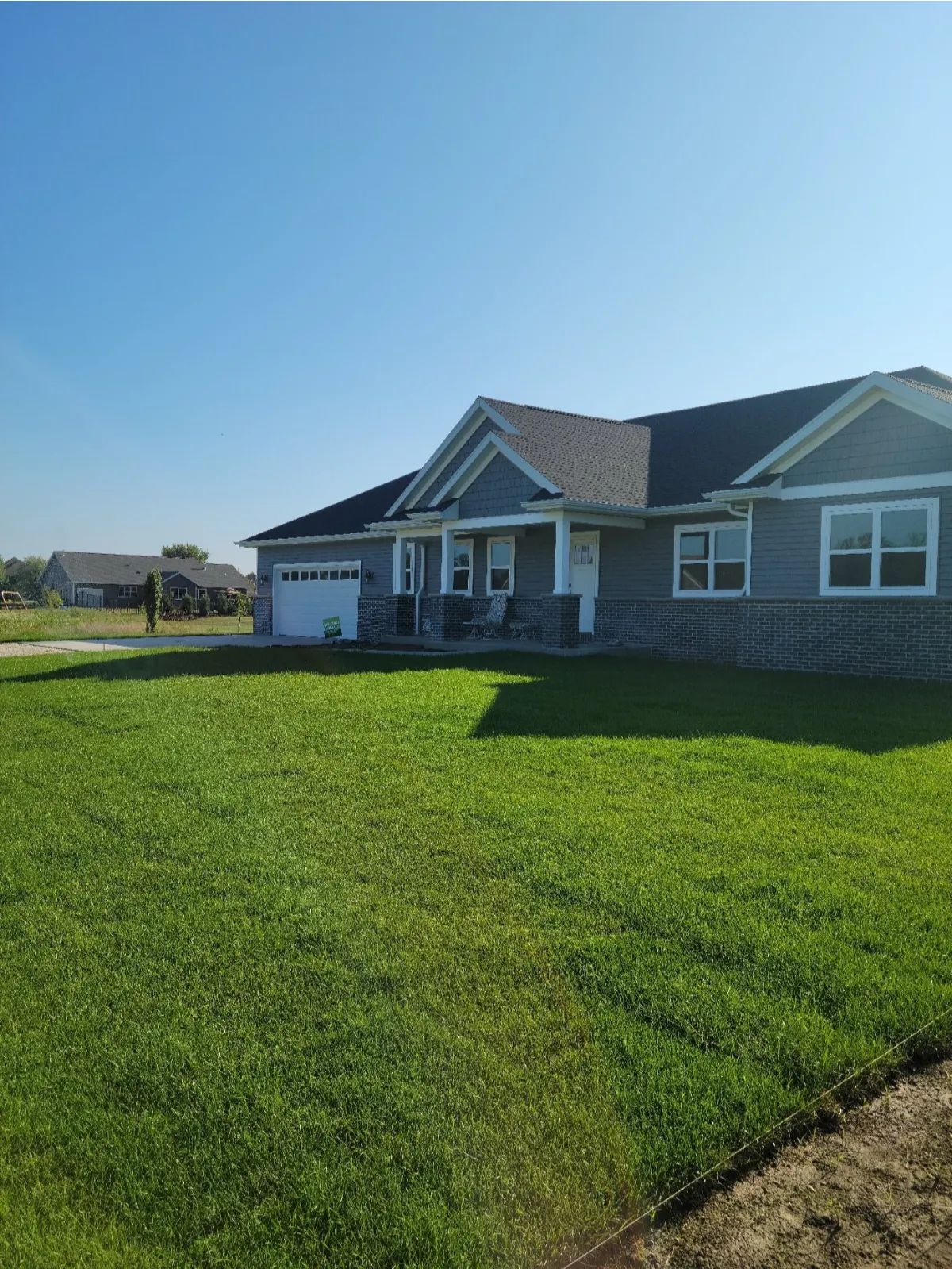
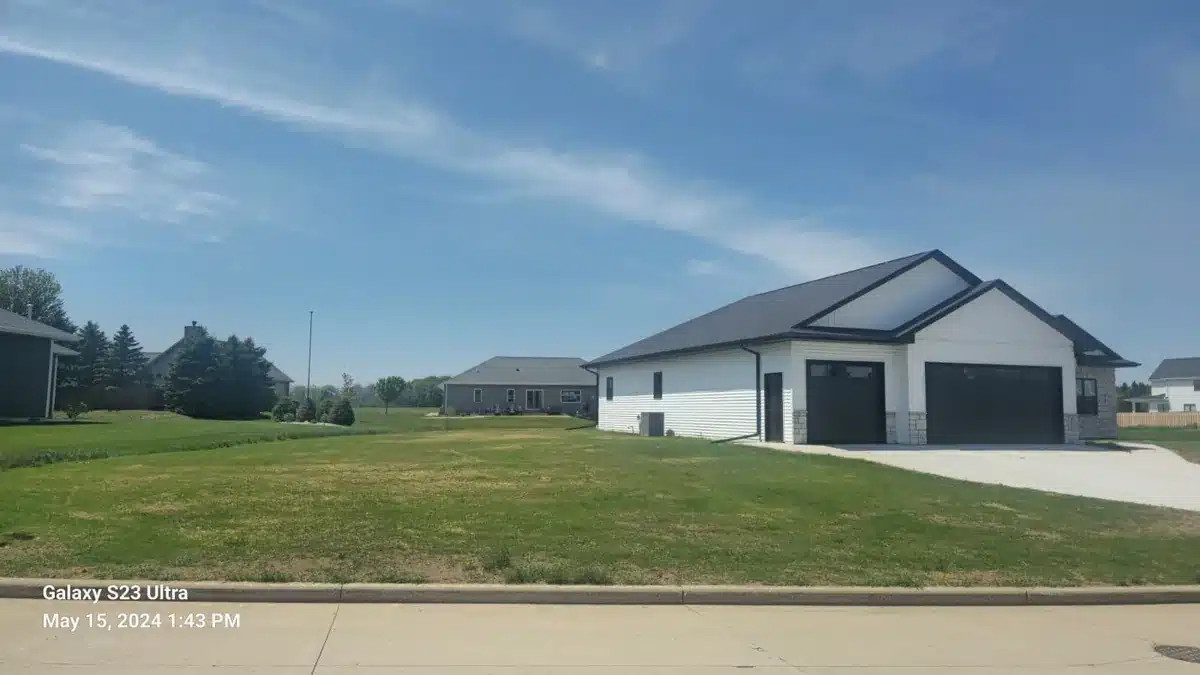
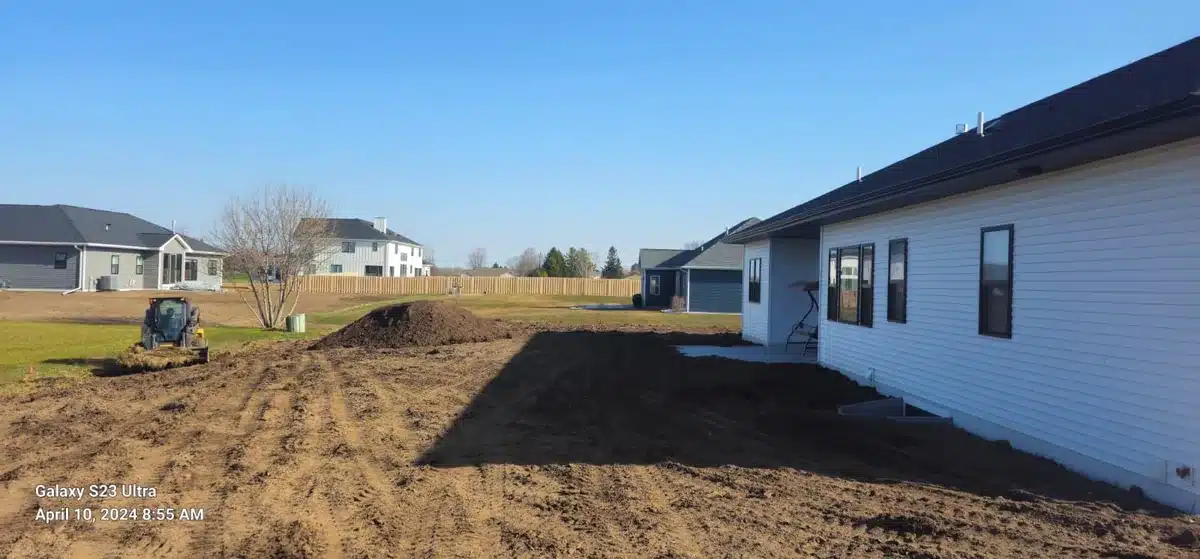


← Swipe to see more →
The Result
So what does a properly dethatched lawn actually look like?
The first week, honestly, the lawn looks worse. That’s the trade. You’re intentionally removing a thick layer of organic material from the surface, so the grass looks thinner and the soil shows through in places. This is the part most homeowners need to be ready for — dethatching gets worse before it gets better.
Then the change starts. Within two weeks, water actually soaks into the soil instead of running off. Within three weeks, new grass starts filling in from the overseeded blend. Within four to six weeks, the lawn looks visibly thicker and greener than it did before, because everything you put on it now reaches the soil and the roots instead of bouncing off the thatch barrier.
That’s the real outcome. Not just “thatch removed.” A lawn that finally responds to the work you put into it.
Real Results
What Manitowoc Homeowners Say
38 five-star reviews on Google. Manitowoc’s most trusted lawn care company.
“We needed sod put in and Jeremy and his crew were very easy to work with. Communication was excellent. I would highly recommend their services.”
— Jeff Strzyzewski, Manitowoc
“From new construction, to green and fluffy. Very hard working, respectful, and will follow up to ensure satisfaction.”
— Zachary Seefeldt, Manitowoc
“Very professional, takes pride in his work, on time, great prices. Cleans up after himself! 10/10 great experience!”
— Tristan Greely, Manitowoc
“Great job at a fair price and excellent communication throughout. Couldn’t be happier.”
— Cary Tempas, Manitowoc
Who This Is For
Before we go further — who is this NOT for?
This isn’t for you if your lawn doesn’t actually have a thatch problem (we’ll tell you honestly), you’re looking for the cheapest power-raking pass with no measurement or haul-away (that’s usually destructive), or you’re not prepared for the lawn to look temporarily rough during the 2–6 week recovery window.
Right Fit
- You’ve been investing in fertilizer, seed, and watering with diminishing returns
- You’ve noticed the spongy feel and water runoff symptoms
- You’d rather have a temporary rough patch and a healthy lawn afterward
- You want the recovery handled properly, not just the removal
Wrong Fit
- Looking for the cheapest pass regardless of method or result
- Lawn doesn’t actually have a thatch problem yet
- Need the lawn looking great within the next month (wrong timing)
- Not willing to follow a recovery watering schedule
Timing Matters
Why dethatching has a narrower window than almost any other lawn service
Dethatching is one of the most timing-sensitive services in lawn care. The work itself is disruptive, so the lawn needs cool weather and active growth to recover.
Miss both windows in a year and you’re looking at another season of paying for fertilizer and seed that mostly bounces off the thatch layer.
Don’t miss this season’s window — Get your quote now →Pricing
So what does proper lawn dethatching cost in Manitowoc?
Most residential lawn dethatching projects in Manitowoc run between $250 and $700, depending on lawn size, thatch severity, and the method needed. You’ll know the exact number before any work begins — and if your lawn doesn’t need dethatching, we’ll tell you that too.
Every dethatching project includes:
- Free on-site thatch measurement
- Power raking or verticutting (method matched to depth)
- Multiple passes on heavy-thatch areas
- Edge and corner coverage
- Full removal, raking, bagging, and haul-away
- Printed recovery and watering schedule
- Follow-up support during recovery window
- Honest recommendation on overseeding
Recommended Bundle: Dethatching + Overseeding
The freshly exposed soil after dethatching is the ideal seedbed — dramatically improving germination rates. One visit, two services, and a much better recovery outcome.
FAQ
Practical Questions About Lawn Dethatching in Manitowoc
Common Concerns
Still uncertain? Here are the questions homeowners ask us most.
“Why not just go with the cheapest dethatching service?”
Cheap dethatching usually means no thatch measurement, no haul-away, or aggressive power raking on a lawn that needed lighter verticutting. Each of those problems costs you more in the end than the upfront discount saved.
Want to know what your lawn actually needs? →“What if my lawn doesn’t actually need dethatching?”
Then we’ll tell you and you’ll save the spend. We measure thatch depth at the free assessment — if it’s under half an inch, we don’t recommend dethatching and we’ll tell you what the lawn likely needs instead.
Get a free thatch measurement →“What if I dethatched last year and my lawn isn’t better?”
Two common reasons: no overseeding after (bare patches fill with weeds instead of grass), or the wrong method for the depth (power raking minor thatch damages the turf without solving the problem). If you describe what was done, we can usually tell you which one happened.
See what proper dethatching looks like →“Will the lawn look terrible for the whole summer?”
No. The rough phase is 1–2 weeks. Visible recovery starts at week 3. Fully recovered and visibly better than before by week 4–6. That’s why timing matters — dethatch in spring or fall and the recovery happens during ideal growing conditions.
Have other questions before scheduling? →“What happens after I request a quote?”
We come out, measure the thatch depth at several points, check the lawn’s overall condition, and tell you honestly whether dethatching is needed, which method fits, when to do it, and what it would cost. No pressure. If your lawn doesn’t need this service, we’ll say so.
See where your lawn stands →Service Area
Areas We Serve for Lawn Dethatching Around Manitowoc, WI
Fast Grass Lawns provides residential lawn dethatching throughout Manitowoc County and the surrounding Lakeshore region, including:
Other Services
Other Lawn Services in Manitowoc
Free Quote & Thatch Check
Ready to stop watching your fertilizer bounce off a layer of dead grass?
Get a free, no-obligation thatch check and dethatching quote today. We respond within 24 hours and provide on-site thatch measurement throughout Manitowoc County.
Put in your numbers & I’ll email you the quote
Enter your lawn size for an instant estimate — then drop your details and we’ll send it to your inbox.
Got it! Jeremy will email you shortly. Urgent? Call (920) 286-2031.
Note: Estimates are upwards of 95% accurate.